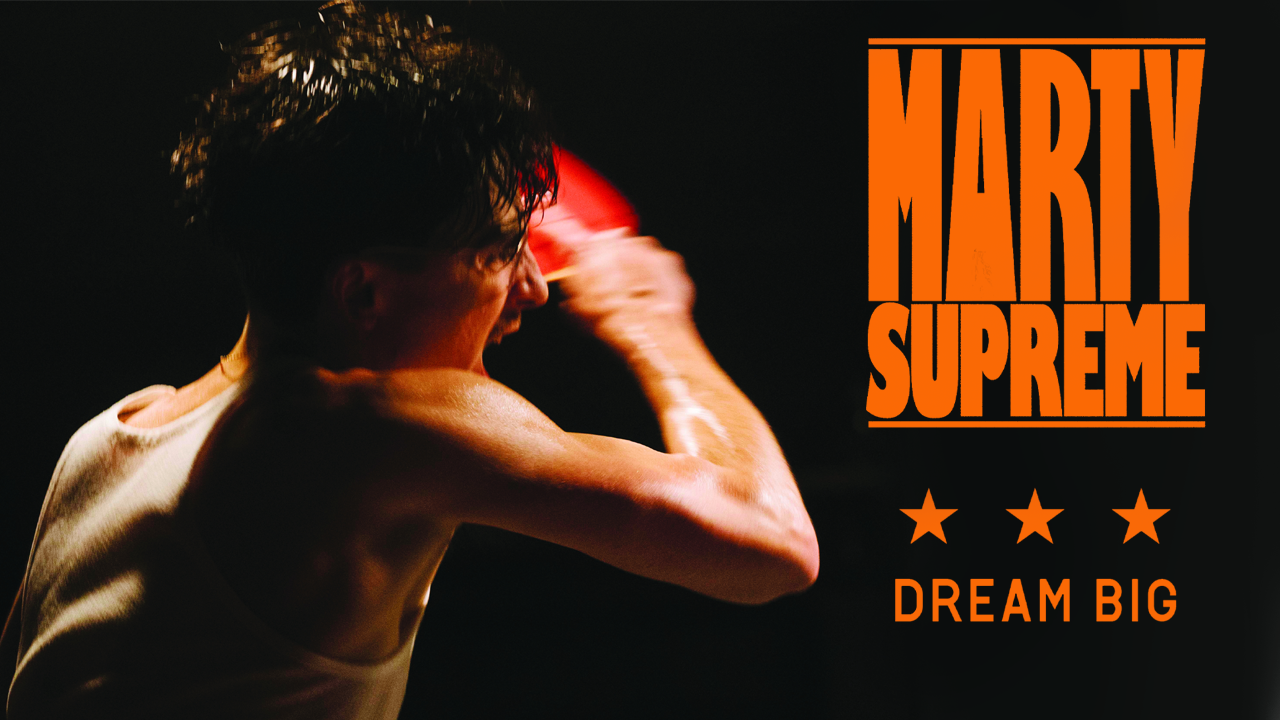
Marty Supreme didn’t go viral by accident.
It went viral because it understood something most films don’t: audiences don’t want to be marketed to they want to feel smarter than the marketing.
Orange blimps, viral Zoom moments, and bold visual branding turned Marty Supreme into one of the year’s most talked-about film campaigns. The Marty Supreme marketing campaign did not become popular by accident. Before people understood what the movie was about they recognized the color orange. They talked about the Zoom meeting. They saw the orange blimp floating across the city skyline. The movie Marty Supreme was directed by Josh Safdie. Starred Timothée Chalamet. Marty Supreme could have been a movie but it became one of the most talked about movie marketing campaigns of the year. In a time when traditional movie marketing’s predictable with trailers and interviews Marty Supreme chose to be confusing and spectacular. This decision changed everything.
The Orange Blimp: The First Viral Marketing Stunt
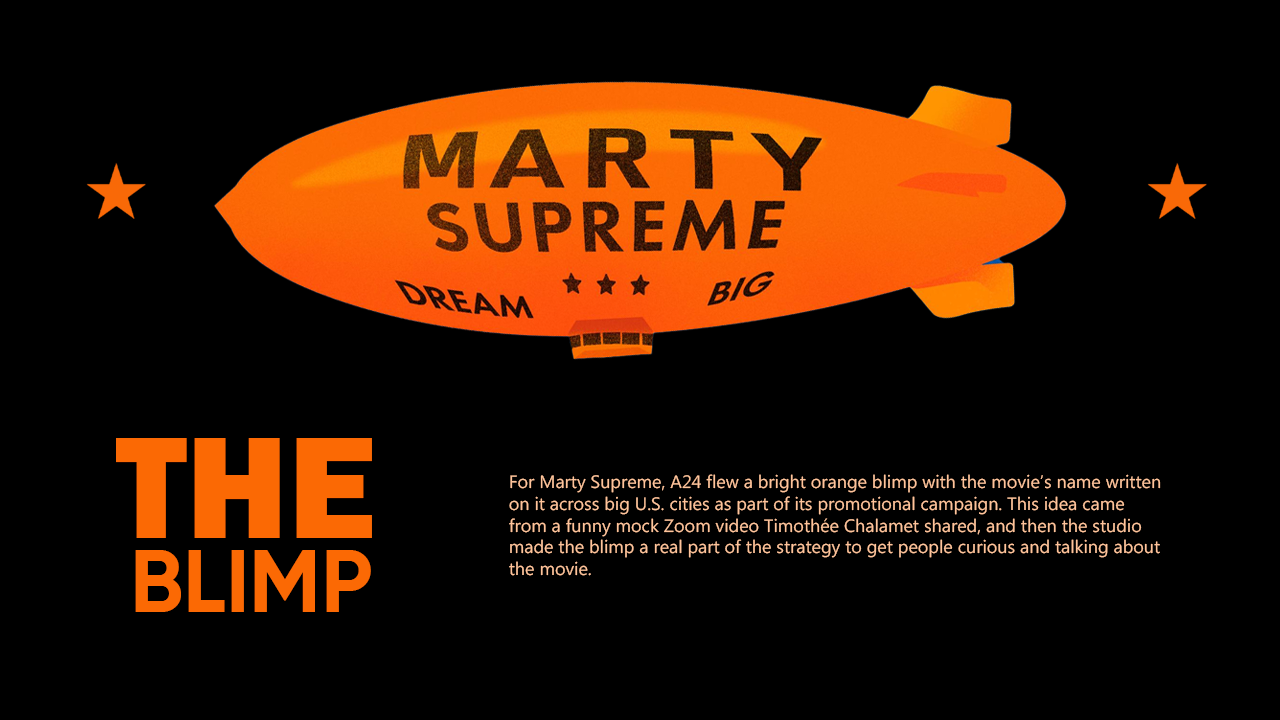
The campaign started with something An orange blimp floated across city skylines with two words: Marty Supreme. There was no release date, no platform and no explanation. It looked like a weird interruption than advertising. Traditional movie marketing tells people what the movie is about and why they should care. This campaign did not do that. Instead it made people curious. People took photos. Shared them on social media. People speculated about what it meant. The blimp did not answer questions it raised them. In a time when everything’s clear online being unclear can be powerful.
The Staged Zoom Call That Was Entertaining
If the blimp made people curious the Zoom sketch made it more interesting. The video featured Timothée Chalamet in a meeting. He pitched promotional ideas, like repainting landmarks and filling events with ping pong balls. The executives responded in an awkward way. This was not comedy it was a strategy. The video made fun of movie marketing. It was also a marketing tool. It was designed to be shared and talked about. Viewers did not feel like they were being sold something they felt entertained. People do not like being persuaded. They like being part of something. Then the campaign did something smarter. Some of the ideas from the Zoom call actually happened. The joke became real.
The Power of Orange: Visual Branding
At the center of the Marty Supreme marketing strategy was a visual anchor: the color orange. Not a soft orange,. A loud and bold orange. The color appeared everywhere including the blimp, merchandise and public appearances. Before people knew the story they knew the color. Using color to brand something is not new. This was different.
The color reflected the characters personality and obsession with being seen. The marketing did not just describe ambition it showed it. Soon the orange color was recognizable without any context. That is the power of visual identity in movie marketing.
Limited Edition Merchandise
Another move in the campaign was limited edition merchandise. Pop up events appeared with warning and exclusive jackets were released in small quantities. Lines. Items sold out quickly.
This was not movie merchandise. It was inspired by streetwear culture, where scarcity creates value and ownership is a status symbol. Wearing a jacket was not about promoting a movie it was about being part of a moment. The merchandise expanded the world of the film of explaining it.
Public Space as Performance
The campaign went beyond virality. Timothée Chalamet appeared in spaces and urban installations became ping pong themed spectacles. Surprise events triggered world gatherings and online documentation. These moments felt like events, not corporate promotions. If you saw it you shared it. If you did not you felt left out. That feeling of missing out was more powerful than advertising.
How Timothée Chalamet Helped the Campaign
A major reason the Marty Supreme marketing campaign worked was because of Timothée Chalamets involvement. He did not just do the promotional activities. He leaned into the absurdity. Stayed in character.
Paparazzi moments became part of the campaign. The line between the actor and the character blurred. That blurred line kept people engaged. In ways Timothée Chalamet became a channel for the campaign, connecting press, social media and public appearances.
Confusion as a Strategy
One of the choices was not clearly defining the movie. What was Marty Supreme about? For much of the campaign that question remained unanswered. Traditional marketing says you should be clear. This campaign used uncertainty as fuel. Speculation drives conversation and conversation drives visibility. People debated the tone, analyzed clues and questioned authenticity. The ambiguity made the campaign longer.
When Movie Marketing Becomes Performance Art
What made this campaign special was its structure. Each element, including the blimp, the Zoom sketch and the merchandise drops functioned like a chapter in a story. The promotion became a story itself.
It was like performance art, not advertising. Of demanding attention it unfolded naturally in the cultural spaces people already occupied. That integration made the spectacle feel intentional not intrusive.
The Risk Behind the Strategy
This approach was not safe. It required a lot of money and no guarantee of success. It relied on the stars credibility and peoples willingness to embrace ambiguity. If it failed the campaign could have been seen as chaotic. The difference lay in the execution. Humor balanced ego, mystery balanced cohesion and visual identity remained consistent.
Why This Strategy Worked
The timing was crucial. People are tired of explained trailers and repetitive press tours. Marty Supreme recognized that people discover things through media, group chats and cultural moments. Of forcing people into traditional channels the campaign positioned itself where attention already existed. Virality was treated as a structure, not an accident.
A Case Study in Modern Movie Marketing
The Marty Supreme marketing campaign shows how spectacle, celebrity involvement and controlled ambiguity can be more effective, than promotion. Not every movie can replicate this strategy.
However the campaign highlights something People do not reject marketing they reject predictability. If you provide something culturally aware people will amplify it themselves.
Takeaway
The lesson of the Marty Supreme marketing campaign is not that every movie needs a blimp or a staged Zoom call. The lesson is that attention is earned through experience, not instruction. People do not want to be told why something matters.
They want to feel like they discovered it. By embracing absurdity, mystery and spectacle Marty Supreme turned a movie into a cultural event. It did not use marketing as a megaphone it used it as a stage. For a few weeks the sky was not the limit.
Leave a Reply